What Actually Makes Concealed Carry Clothing Work
Not all concealed carry clothing is the same — and most of it isn't really engineered for carry at all.
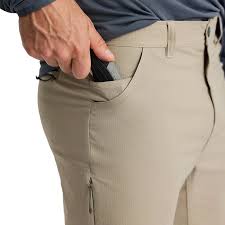
The majority of "tactical" or "carry-ready" pants on the market are standard pants with a slightly deeper front pocket, a reinforced waistband, or an extra pocket added somewhere. They solve minor inconveniences. They don't address the underlying problem with carrying a firearm in a garment that was never designed to do it.
Here's what actually separates purpose-built carry clothing from regular pants with a marketing claim attached.
Fabric That Holds Structure Under Weight
Most standard pocket fabric is lightweight lining material — thin, flexible, designed to add minimal bulk. That's fine for keys and a wallet. Under the weight of a firearm, thin pocketing fabric collapses. The pocket loses its shape, the firearm drops lower than intended, and the outline becomes visible through the outer fabric.
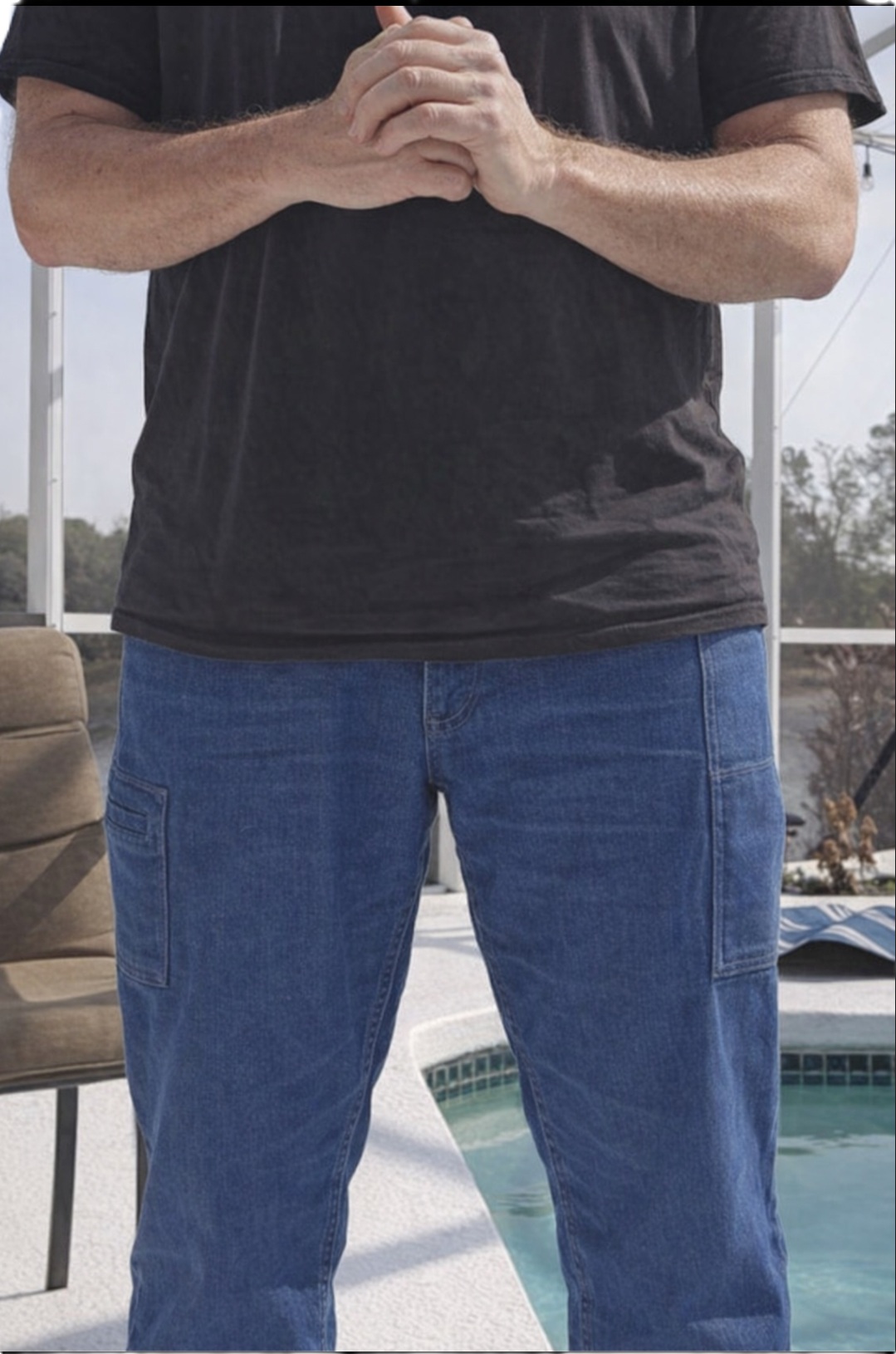
Purpose-built carry clothing uses pocket fabric heavy enough to maintain structure under load. Gunpant's pocket is the same denim as the pant shell — not a lighter insert. The pocket holds its shape whether it's empty or carrying a compact handgun.
Anchoring, Not Hanging
A pocket stitched along the top opening and hanging freely inside the garment will swing and rotate under weight. The heavier the object inside, the more the pocket moves independently of the garment. This creates variability in position and orientation, and causes the pocket to drag on the outer fabric in ways that show from the outside.
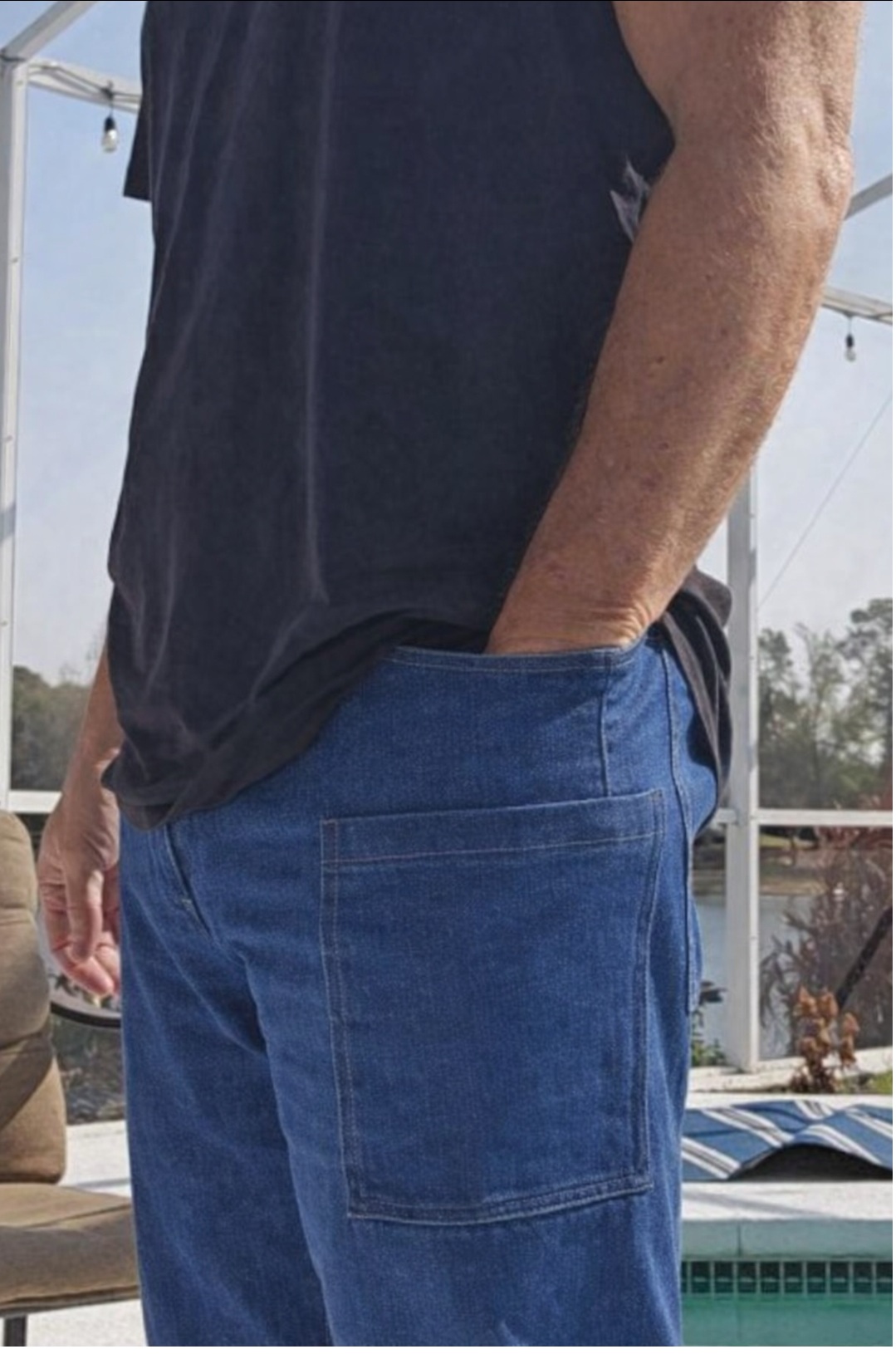
Effective carry clothing anchors the pocket to the garment structure — stitched at multiple points so it moves with the pant, not inside it. The result is that the firearm behaves like part of the garment rather than an object hanging inside a bag.
Placement That Matches How People Actually Move
The location of the pocket is an engineering decision. Most carry pants default to the front-pocket position because that's where pockets go. That position puts the firearm at the front of the hip — where the body folds when sitting, where seatbelts cross, and where fabric tension is highest during movement.
The better engineering question: where does the body move in a way that's predictable and low-compression across sitting, standing, and walking? The answer is the outer thigh. That's a design choice driven by how the body actually behaves.
Opening Size That Works Under Real Conditions
A carry pocket needs to be accessed under varying conditions — different clothing layers, different body positions, different levels of urgency. An opening that barely fits a hand when standing comfortably will be difficult when seated, with an untucked shirt, in a hurry.
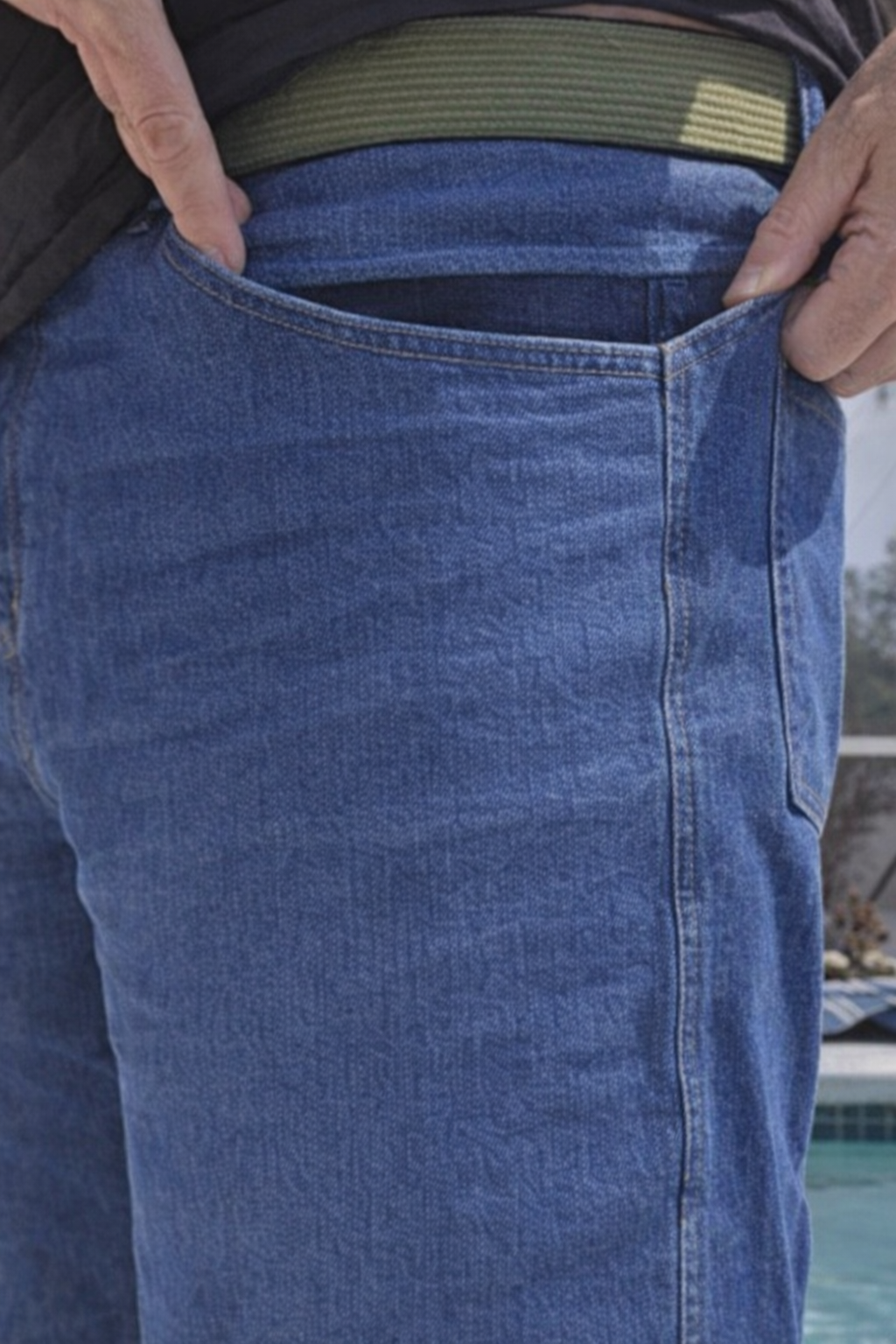
The opening needs to be wide enough to be reliable, not just sufficient. Seven inches — more than double a standard pocket — is the difference between access that works and access that requires a specific, deliberate setup.
The Sum of the Parts
None of these elements works in isolation. Heavy pocket fabric without anchoring still shifts. Good placement with a 4-inch opening still creates access problems. The engineering is in how all of the elements work together — fabric, anchoring, placement, opening size, and internal geometry — to create a system that functions reliably across the full range of daily movement.
That's what carry clothing should do. Most of what's marketed as carry clothing doesn't.