Why You Stopped Carrying — And Why That's the Real Safety Problem
You used to carry more consistently. Then, gradually, you didn't.
Maybe it was a hot summer when the setup felt unbearable by noon. Maybe it was a long drive where the holster dug into your hip for two hours straight. Maybe it was a stretch of desk work where you found yourself adjusting all day. At some point, it became easier to leave it home than to deal with the discomfort — and the habit unraveled from there.
If that sounds familiar, you're not unusual. Inconsistent carry due to discomfort is one of the most common patterns among people who own carry firearms. It just doesn't get talked about honestly very often.
The Honest Reason People Stop Carrying
When people stop carrying consistently, they rarely frame it as a decision. They say things like:
- "I just forgot today."
- "I'm only going to be gone for a little while."
- "It's too hot to deal with it."
- "I'm just running a quick errand."
These are rationalizations for a decision that's actually being made by discomfort. The carry setup is uncomfortable enough that the threshold for leaving it home keeps dropping. Low-stakes days get easier to skip. The habit erodes quietly over months.
The real reason is rarely lack of commitment. It's a carry setup that wasn't built for the life you're actually living.
The Problem With Toughing It Out
The standard advice for carry discomfort is to try different holsters, adjust your wardrobe, break in the equipment, find the right belt, experiment with positions. This assumes the problem is in the details — that the right combination of accessories will solve it.
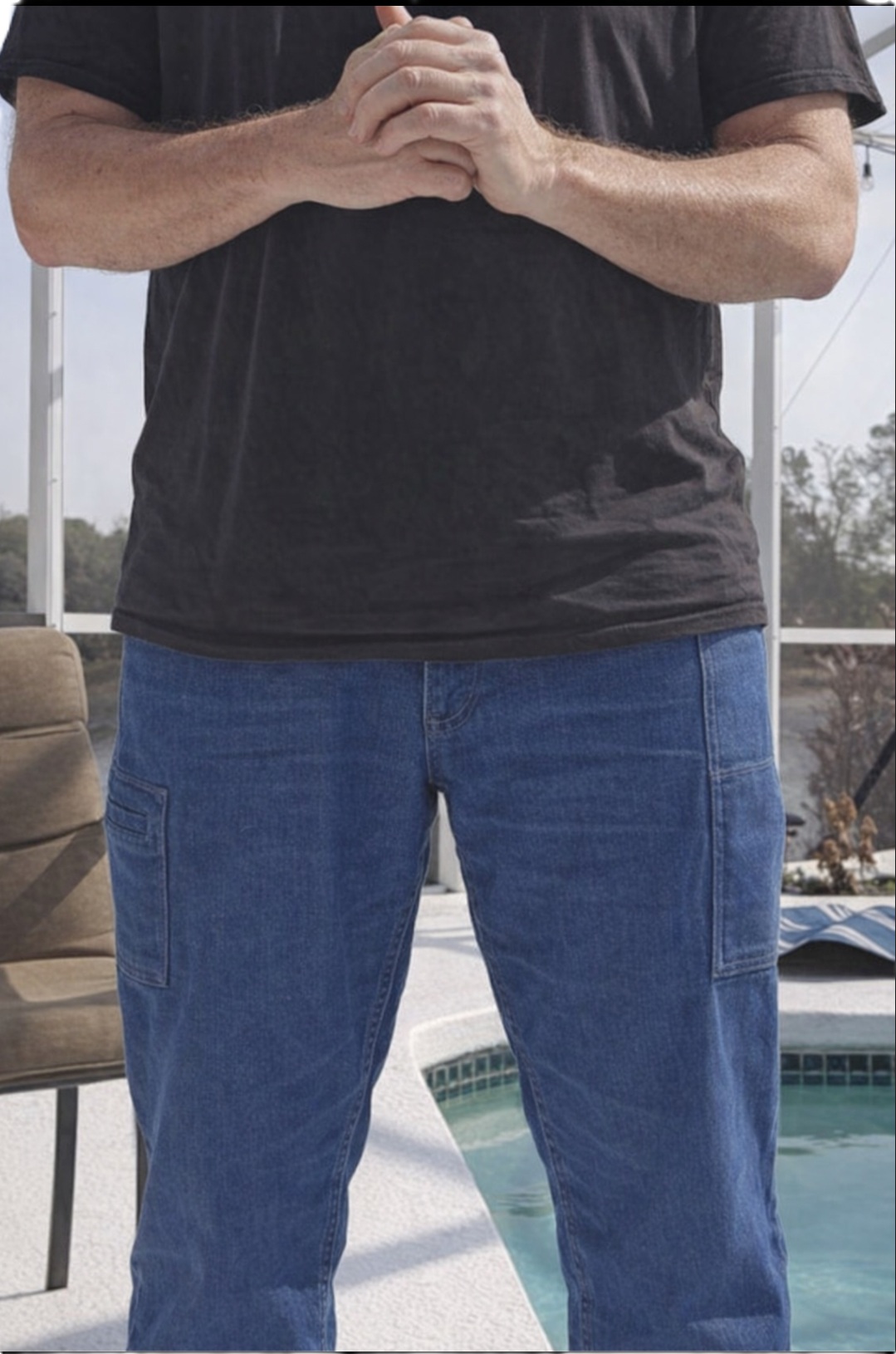
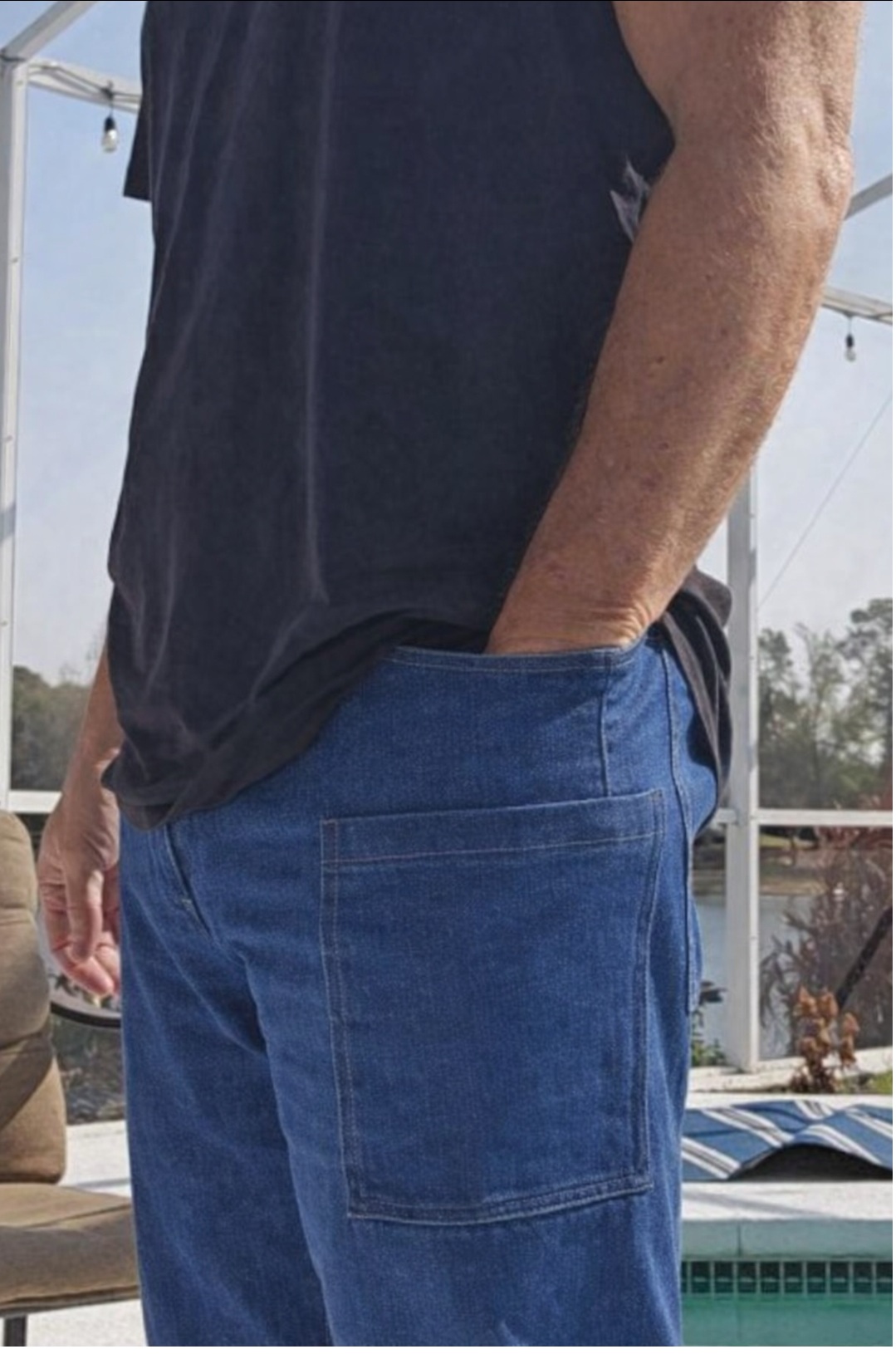
For some people, that works. For a lot of people, it doesn't — because the underlying issue isn't the holster. It's where on the body the firearm is positioned. The waistband is a high-motion, high-compression area that becomes a pressure point over the course of a full day regardless of what holster material or carry angle you use.
You can't fully solve a placement problem with an accessory solution.
What Lapsed Carriers Actually Need
If you've gone from daily carry to occasional carry to "whenever I remember," the answer isn't more discipline. It's a carry setup you don't have to discipline yourself to tolerate.
That means carry in a position that doesn't create pressure points when you sit. That doesn't need adjustment when you get in a car. That doesn't print differently depending on whether you're standing or moving. A setup that becomes part of getting dressed in the morning rather than a separate commitment you have to re-make every day.
The Firearm in the Drawer
A carry firearm that lives in a drawer is not a safety tool. It's an expensive object with good intentions that isn't doing its job.
The most common concealed carry failure isn't a malfunction or a retention problem. It's a setup uncomfortable enough that you leave it home — consistently, gradually, until carrying becomes the exception rather than the habit it was supposed to be.
If you used to carry more and you don't anymore, it's worth asking honestly: is the setup the problem? Most of the time, it is.