The Case for Comfort Carry: Why the Holster in the Drawer Protects Nobody

There is a version of concealed carry that looks great in a video. Fast draw. Clean presentation. Impressive repetitions. The holster is top-shelf. The belt is purpose-built. The technique is practiced.
And the whole setup lives in a drawer three days out of five because it's too uncomfortable to wear through a normal day.
That's not a prepared carrier. That's an expensive drawer with a carry permit attached.
The Holster in the Drawer Problem
The most common concealed carry failure mode isn't a malfunction. It isn't poor draw technique. It isn't bad situational awareness. It's the gun that stayed home.
People leave their firearms home because carrying is uncomfortable. IWB holsters dig in. Appendix carry is miserable in a car seat. The waistband pulls. The hip pressure accumulates over the course of a day. By afternoon, the thought of dealing with it again tomorrow creates reluctance. By the following week, the "quick trips" that used to qualify as carry-optional are getting longer, and the firearm is making fewer appearances.
This is the real safety failure. And it's almost never discussed honestly, because admitting your setup is too uncomfortable to use consistently means admitting the setup doesn't work.
What Comfort Carry Actually Means
Comfort carry doesn't mean comfortable-at-the-expense-of-everything-else. It means a carry setup that doesn't require you to sacrifice your day around it. Specifically:
- You can sit at a desk for eight hours without adjusting
- You can get in and out of a car without the setup fighting you
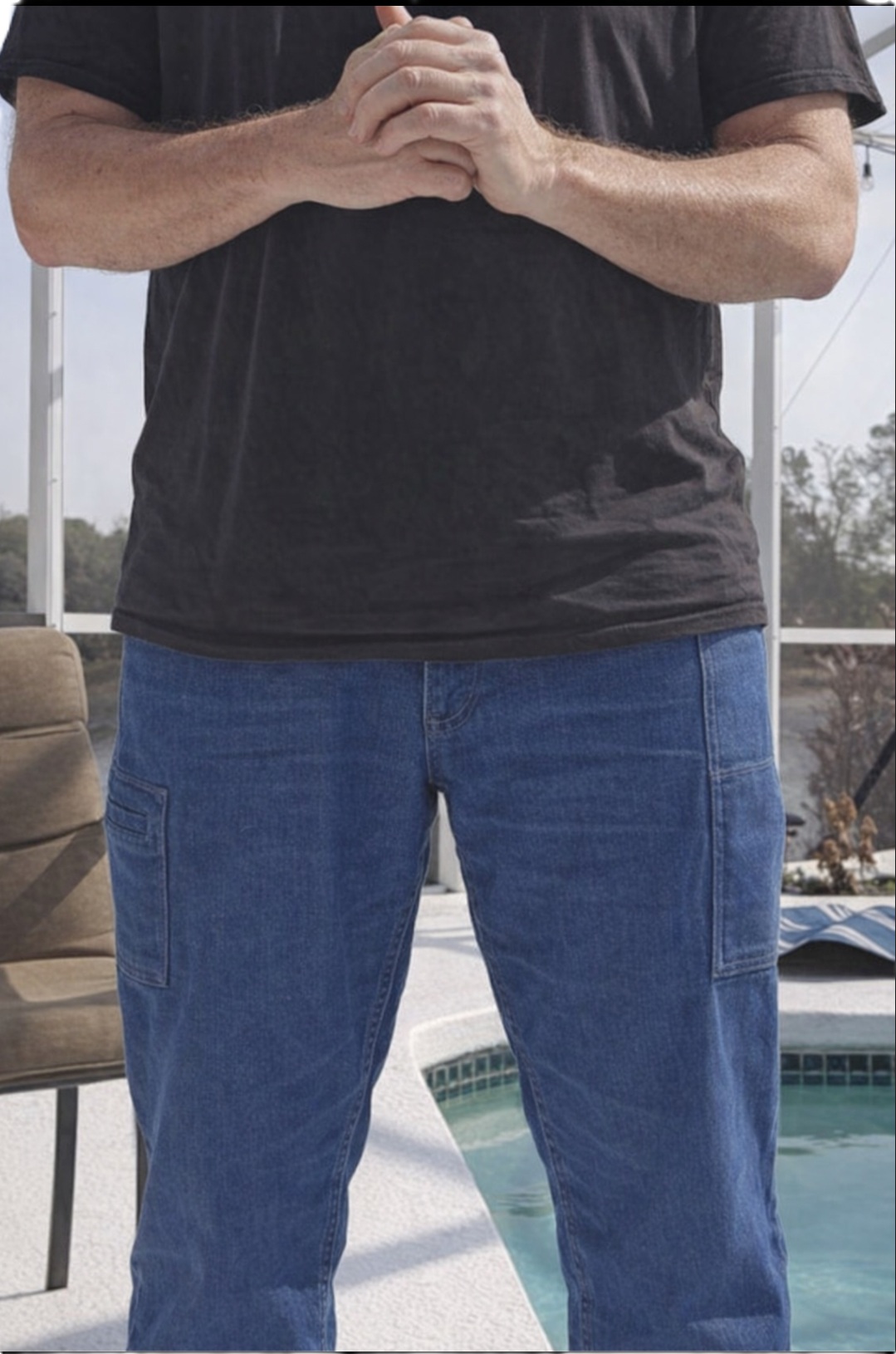
- You can wear normal pants — not tactical pants or specialty fits that accommodate the gear
- You can go through a full day and not think about the firearm unless you choose to
When carry is that comfortable, it stops being a daily decision. It becomes a daily habit. And daily habits are what actually constitute everyday carry.
The Comfort-Reliability Trade-off That Isn't
The concern about comfort carry is usually that comfort comes at the cost of reliability — that a more comfortable setup is somehow less ready or less secure. This concern is mostly unfounded in practice.
A firearm in a comfortable, well-engineered pocket that you carry every day is a more reliable safety tool than a firearm in a tactically superior holster that you carry four days a week. Reliability in this context means being there — not retention rating.
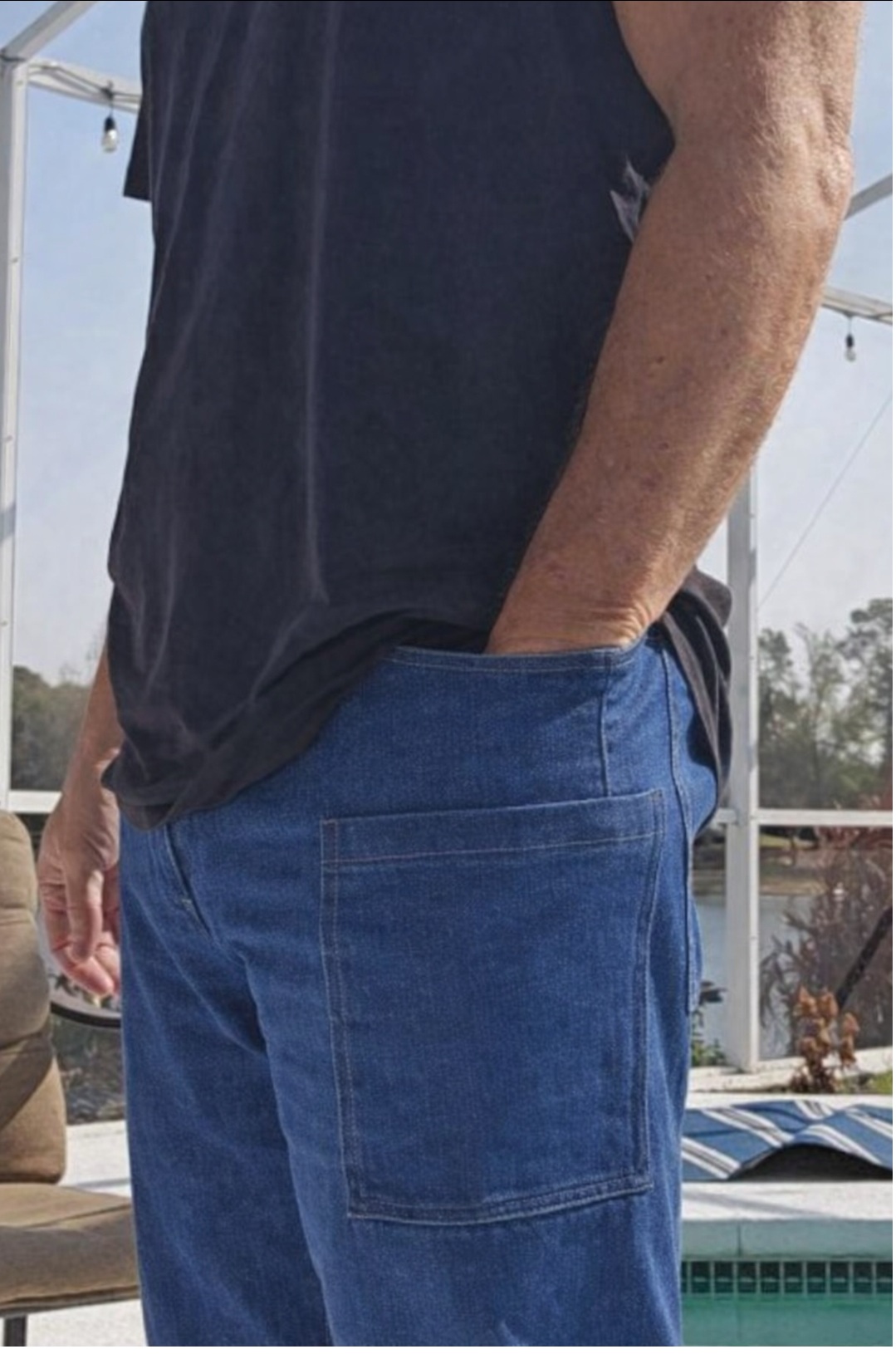
A garment-integrated carry system with designed orientation geometry, anchored pocket construction, and a purpose-built opening isn't sacrificing function for comfort. It's integrating function into comfort — so the two aren't competing priorities.
The Person This Is For
There's a specific carrier we're thinking about. They're not a gear hobbyist or a competitive shooter. They're a person who decided that having a firearm available makes sense for their life — who goes to work, runs errands, drives their kids around, and would like to be prepared for the small chance that something goes very wrong.
That person needs carry to disappear into their routine. They need it to be something they stop thinking about after they get dressed in the morning. They don't need a sub-second draw time. They need to have the firearm with them when a fast draw might matter — and that requires carrying on all the ordinary days before that one.
Comfort carry is the only carry that actually achieves everyday carry. Everything else is aspirational carry — the kind you intend to do consistently, but don't.