What Nobody Tells You About Your First Month Carrying Concealed
Getting your carry permit and choosing a firearm gets most of the attention. What comes after — the actual first month of carrying it every day — gets almost none.
That's a problem, because the first month is where habits form. It's where people either build a consistent carry practice or start making exceptions that quietly become the norm. What you learn in that window tends to stick.
Here's what nobody tells you before you start.
You Will Be Hyperaware at First — That's Normal
For the first week or two, you'll think about the firearm constantly. Every time you move, sit, or walk through a door, you'll be mentally checking it. Is it printing? Is it shifting? Did that person notice?
This hyperawareness is normal and it fades. The carry community calls it "printing paranoia" and almost everyone goes through it. The reality is that people are far less observant than you think — they're not looking for a firearm outline under your shirt, because most people aren't looking for anything at all.
Give it two weeks. The self-consciousness diminishes as the carry setup becomes part of your routine rather than a new variable you're tracking.
Comfort Will Make or Break the Habit
Here's the thing nobody says clearly enough: if your carry setup isn't comfortable enough to wear all day, you will start leaving it home. Not immediately — gradually. First on "quick" outings, then on casual days, then whenever the motivation isn't there.
The first month is the time to be honest with yourself about whether your setup actually works for your life. Not in a standing demonstration. In a car for an hour. At a desk for eight hours. Getting up and down repeatedly. Bending to pick things up.
If it's creating pressure points, requiring adjustment, or making you think about it throughout the day — that's not normal friction you push through. That's a signal that the setup needs to change before the habit unravels.
The Clothing Question Is Real
Most new carriers underestimate how much their existing wardrobe matters. Fitted shirts print. Thin fabrics print. Shirts that untuck easily become a problem. Some people restructure their entire wardrobe around their carry setup, which is both expensive and frustrating.
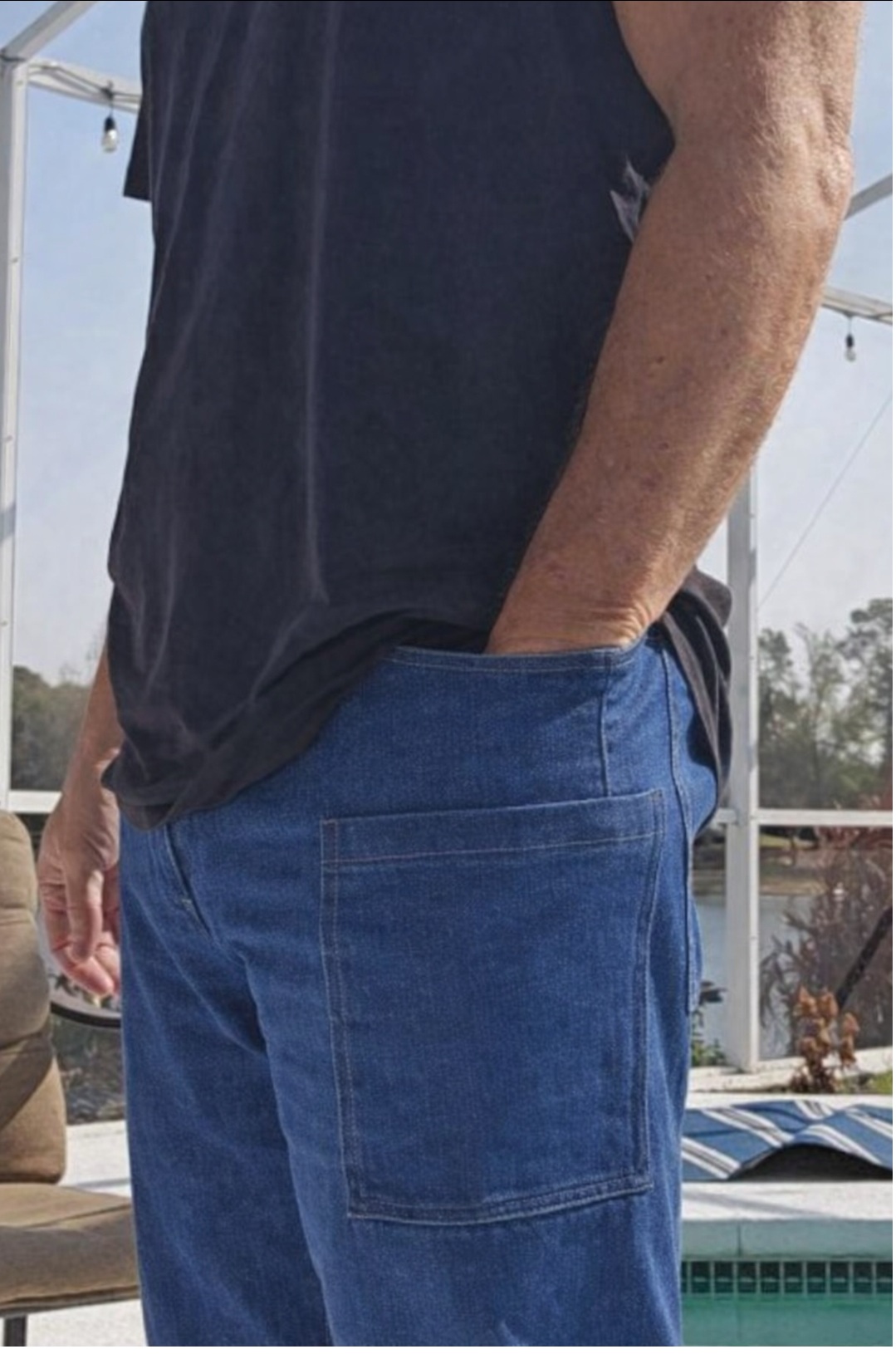
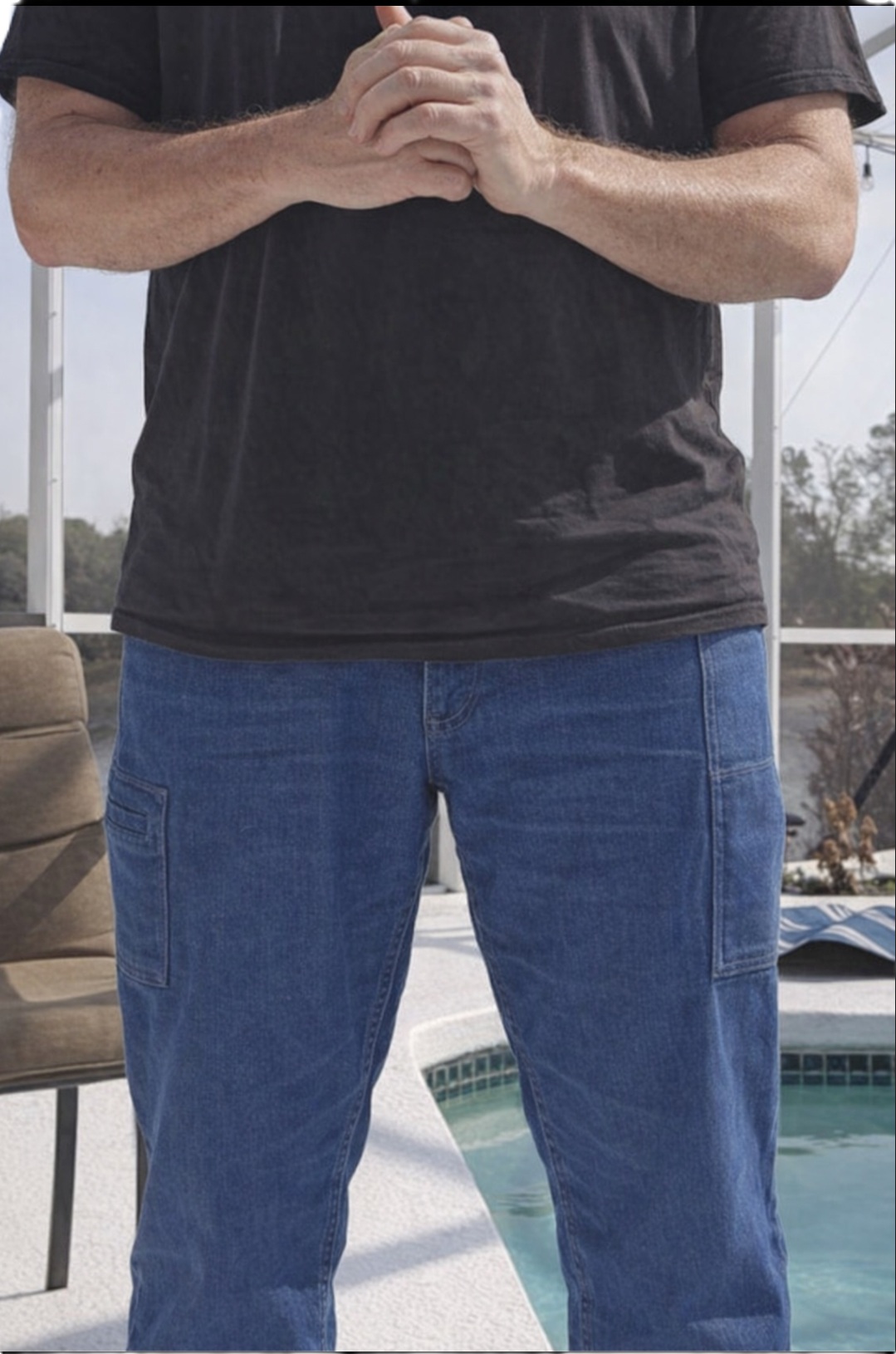
The better solution is a carry system that integrates into what you already wear rather than one that dictates what you can and can't put on. Your carry shouldn't be a wardrobe constraint — it should disappear into your existing routine.
You Don't Need to Be Faster — You Need to Be Consistent
New carriers often fixate on draw speed. How fast can they get to it? How do they optimize for the fastest access?
For a civilian carrier, this is the wrong priority in the first month. The right priority is carrying consistently — having the firearm with you every day, in a setup that works across your real life, building the habit so that it becomes automatic.
Statistically, the vast majority of carriers will never face a situation requiring a draw. The marginal benefit of a half-second faster draw time is negligible compared to the benefit of actually having the firearm with you on the day something does happen — and that requires a consistent, comfortable carry habit built over months, not optimized split times.
The Goal Is to Stop Thinking About It
A successful first month ends with carry becoming unremarkable. You put it on in the morning as part of getting dressed. You go through your day. You take it off at night. You stop tracking it consciously because it's just part of what you're wearing.
That's the goal. Not tactical perfection — habitual consistency. The first month is where that either takes root or doesn't. Set up a system comfortable enough to disappear into your day, give yourself time to adjust, and build the habit before worrying about anything else.