The Future of Concealed Carry: Why the Garment Has to Do the Work
The concealed carry industry has spent decades optimizing the holster. Better retention. Better materials. Adjustable cant. Faster draw. Appendix-specific designs. Shoulder rigs. Belly bands.
And after all of that engineering, the fundamental problem remains: you're still attaching a rigid, heavy object to the most dynamic part of your body and hoping it stays where you put it while you live your day.
The holster is not the answer. The garment is.
The Limits of Holster-First Thinking
When the holster is the primary system, the garment becomes an afterthought. You buy a holster, then you find clothes that accommodate it. Looser waistbands. Cover garments. Specific belt systems. Your daily clothing choices become constrained by your carry equipment rather than the other way around.
This is the wrong order of operations. You wear clothing every day. The carry system should integrate into that reality — not the other way around.
Garment-Integrated Carry
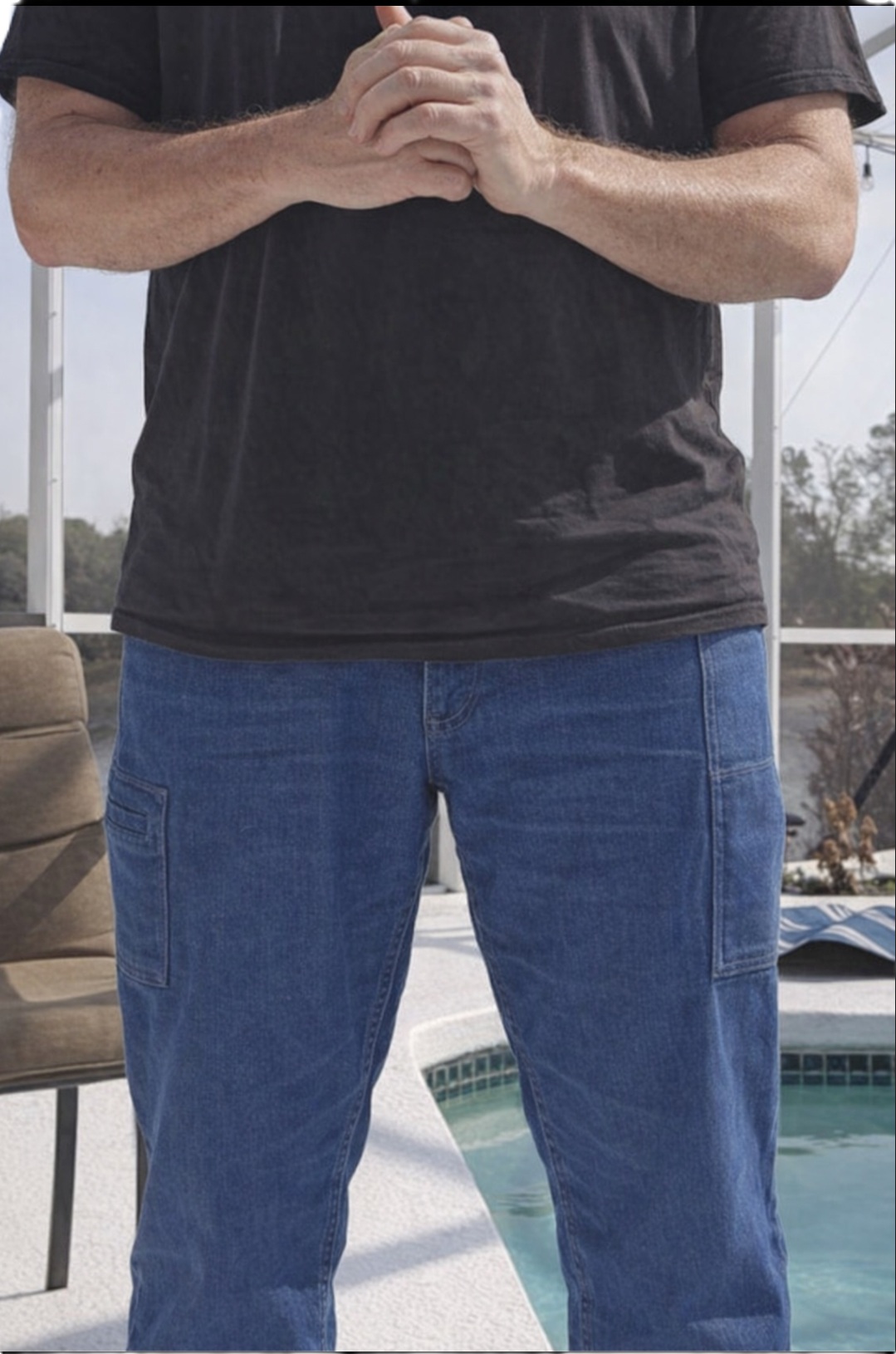
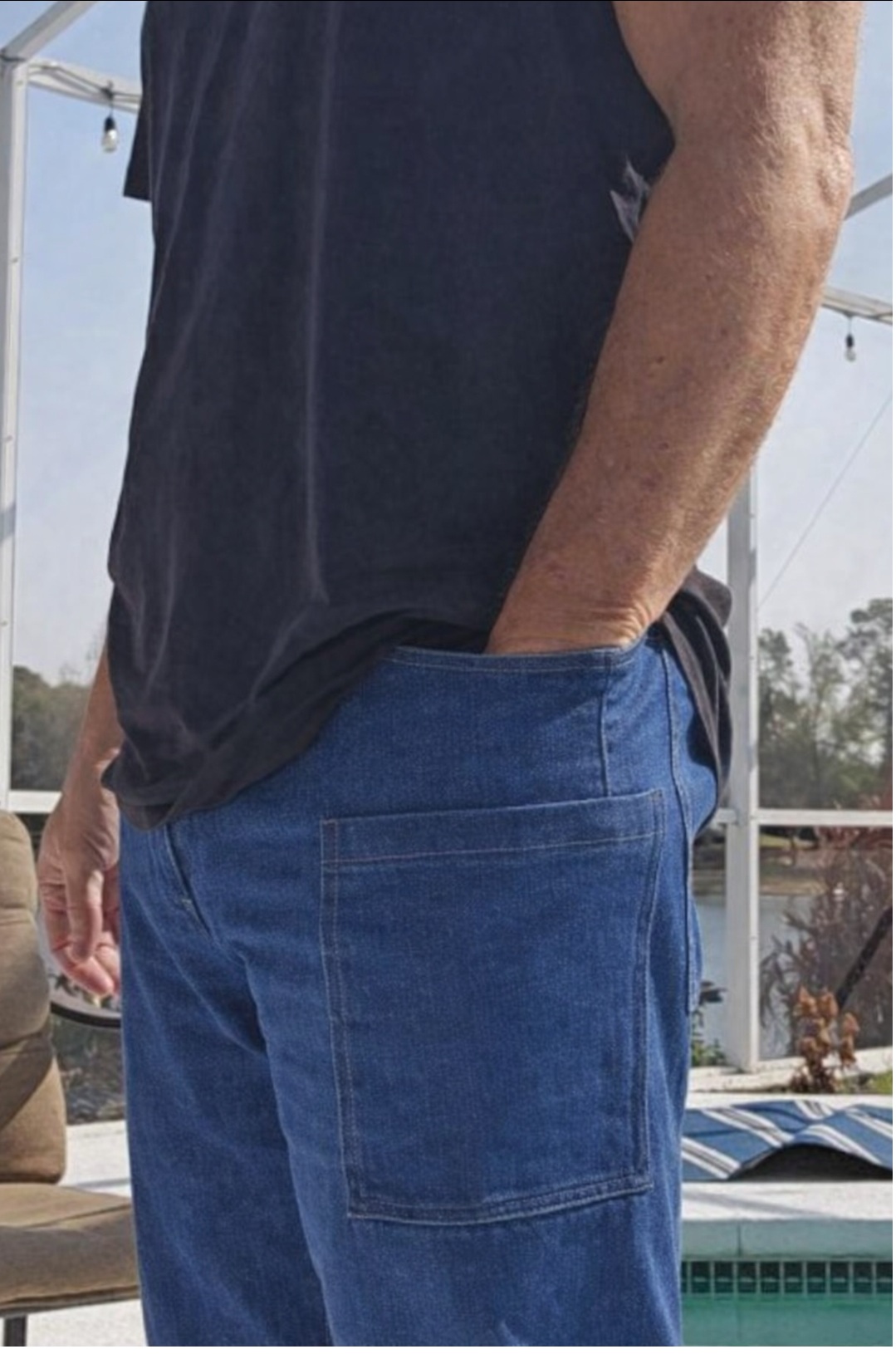
The shift that Gunpant represents is treating the garment itself as the primary carry system. Not a garment that accommodates a holster. A garment where the carry architecture is built in: the pocket placement, the opening geometry, the internal orientation system, the fabric selection.
When the garment is the system, the holster becomes optional. You don't need to buy or fit a separate piece of equipment. You don't need to modify your clothing choices around carry gear. You put on the pants and the carry system comes with them.
What Comes Next
The side-leg carry category that Gunpant invented is a starting point, not an endpoint. The same design principles — placement driven by how the body actually moves, pocket architecture engineered for orientation and stability, materials chosen for load-bearing performance — can be applied across garment types.
Shorts were the second garment. Same architecture, warm-weather build. The approach scales.
Future garments will continue to develop this architecture — refining internal geometry, improving material performance, and expanding the range of contexts where the system works without compromise. The goal is carry clothing that functions as well in a business casual environment as it does on a range day, in July as in January.
The Standard Being Set
As the originator of the side-leg carry category, Gunpant is establishing what this category means as a design discipline: how placement is chosen, how pocket geometry is engineered, how garment integration is executed.
That standard matters because the category will grow. Other manufacturers will recognize that garment-integrated carry is where concealed carry apparel is heading. The question is what the reference point looks like when they arrive.
Gunpant is building that reference point now.