The Responsible Carry Mindset — Prepared Without Being Paranoid
There are two very different reasons people carry concealed firearms.
The first is fear — a heightened, persistent sense of threat that makes carrying feel necessary for survival in daily life. This version of carry tends toward constant vigilance, tactical gear accumulation, and a mental model where danger is lurking in every parking lot.
The second is quiet preparedness — an acknowledgment that unlikely things sometimes happen, a practical decision to have options if they do, and then getting on with a normal life without the firearm dominating your mental state.
The second version is healthier. It's also more effective — because it's sustainable over the decades that responsible carry actually spans.
What the Tactical Fantasy Gets Wrong
A significant part of the concealed carry culture imports its framework from law enforcement and military contexts — situations where threats are occupational, frequent, and part of a defined professional role. The gear, the language, the training scenarios, and the mindset all reflect this.
For a civilian carrier going to work, running errands, and living a normal life, this framework is mostly a mismatch. It produces carriers who are mentally on alert in environments that don't warrant it, investing energy in optimizing for scenarios that have vanishingly small probabilities, and treating grocery shopping like a tactical situation.
This isn't preparedness. It's anxiety with a holster attached.
The Probability Is What It Is
Responsible carry starts with an honest look at probability. The vast majority of concealed carriers will never draw their firearm outside of a training environment over the course of their carrying lifetime. Many law enforcement officers — people who operate in genuinely higher-risk environments than civilians — complete 20-year careers without firing their weapon in the field.
This doesn't mean carrying is pointless. It means the primary value of carrying is the option it provides in a rare scenario — not the daily tactical readiness that much of carry culture treats as the goal.
You are not going to the grocery store to survive it. You are going to buy food, and you'd like the option to protect yourself if something unlikely but serious occurs. These are very different mental postures — and the second one is much easier to sustain for 30 years.
Preparedness as a Background Setting
The most effective long-term carry mindset treats the firearm the way most people treat their car insurance or smoke detectors — as a background provision for unlikely events, not a daily focal point.
You don't spend your commute thinking about your car insurance. You have it because accidents happen and you want to be covered if one does. The coverage is real. The protection is real. It just doesn't require ongoing attention or mental energy to function.
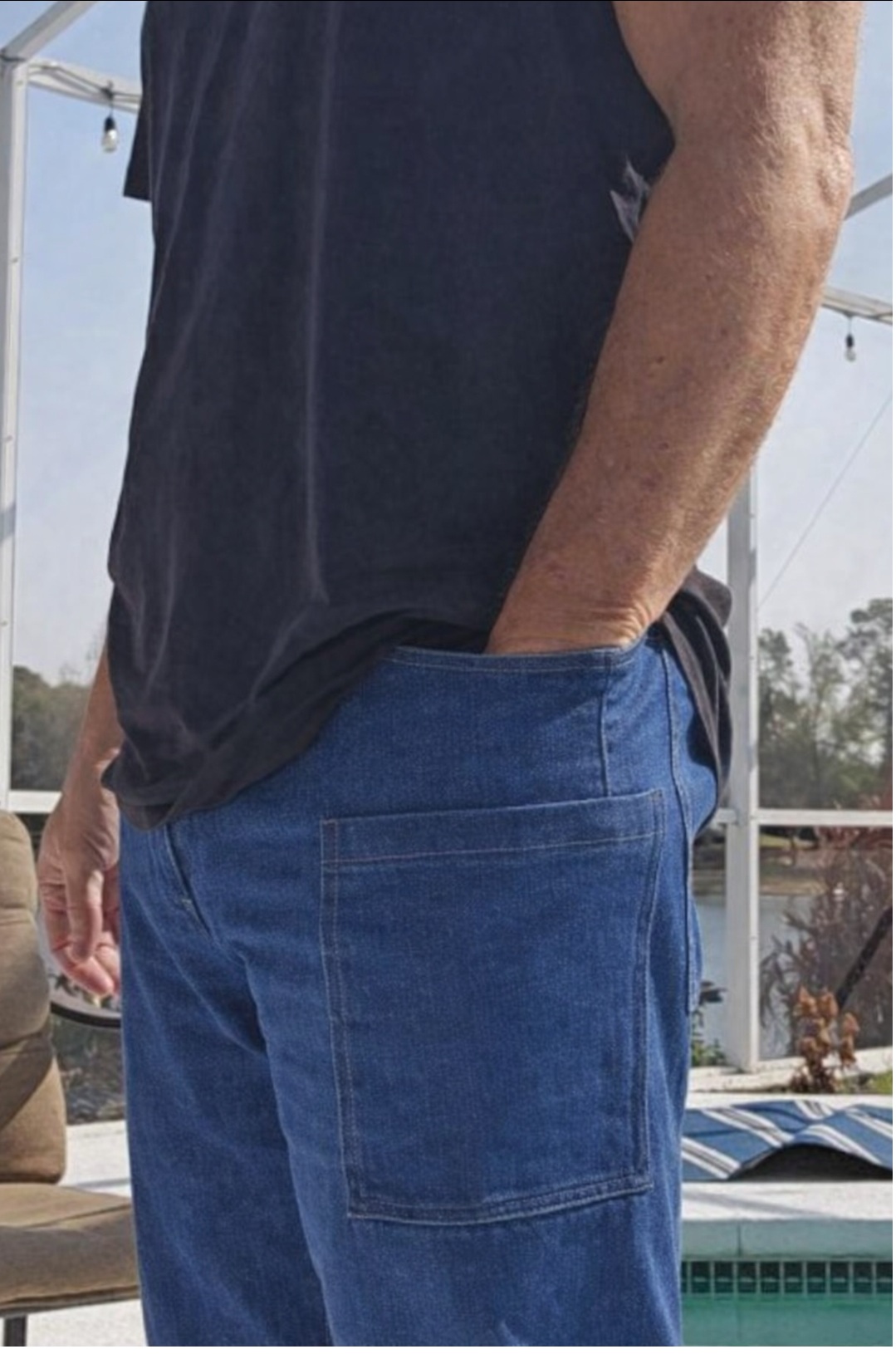
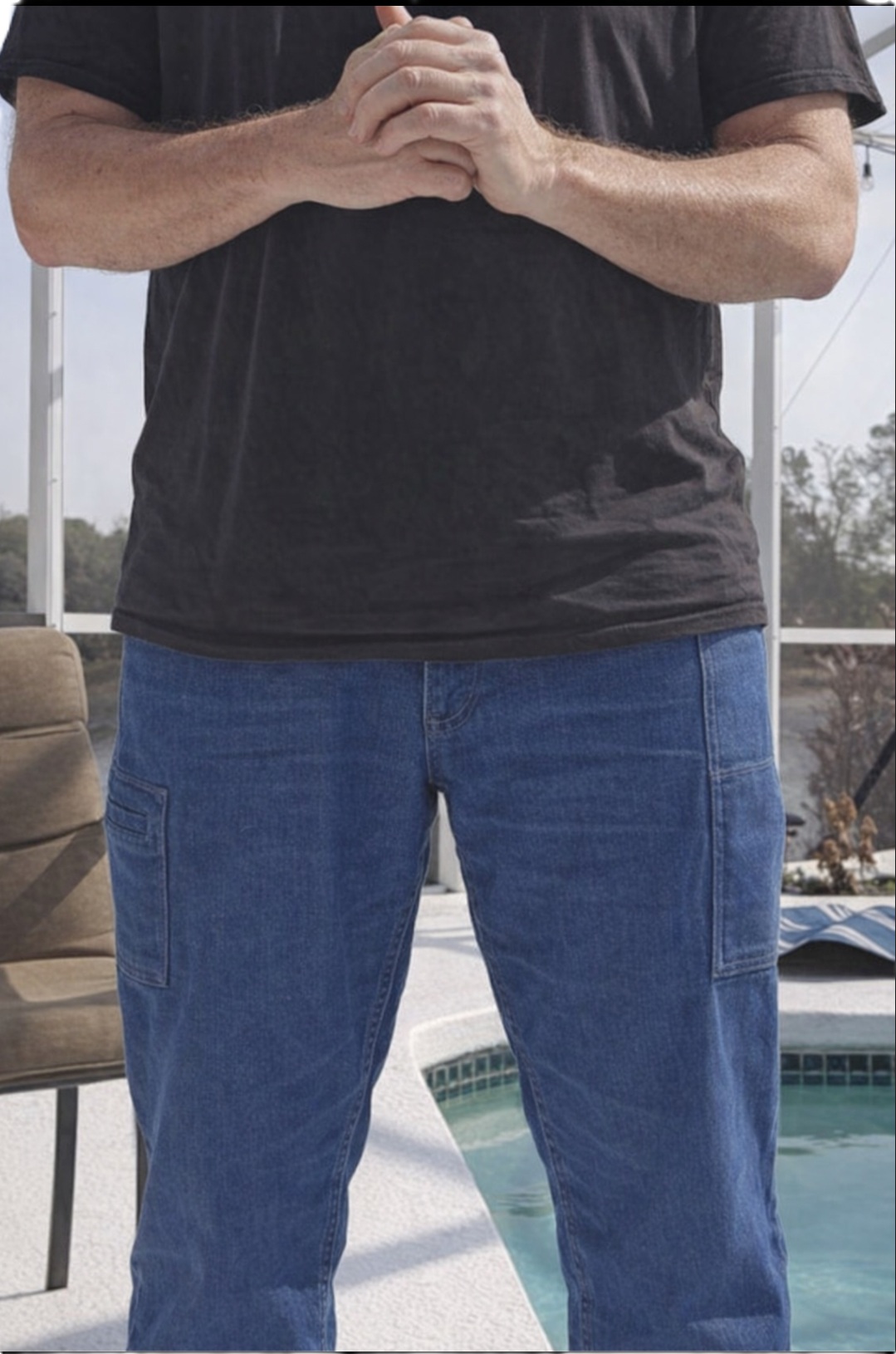
A carry setup that lets you operate this way — comfortable enough to forget it's there, simple enough not to require daily management, consistent enough to be a habit rather than a decision — is doing its job correctly.
The Comfort Connection
The responsible carry mindset and carry comfort are more connected than they might appear. A carry setup you're always aware of feeds the vigilance loop — it keeps the firearm at the front of your attention, which feeds the hyperalert posture, which is exhausting and unsustainable.
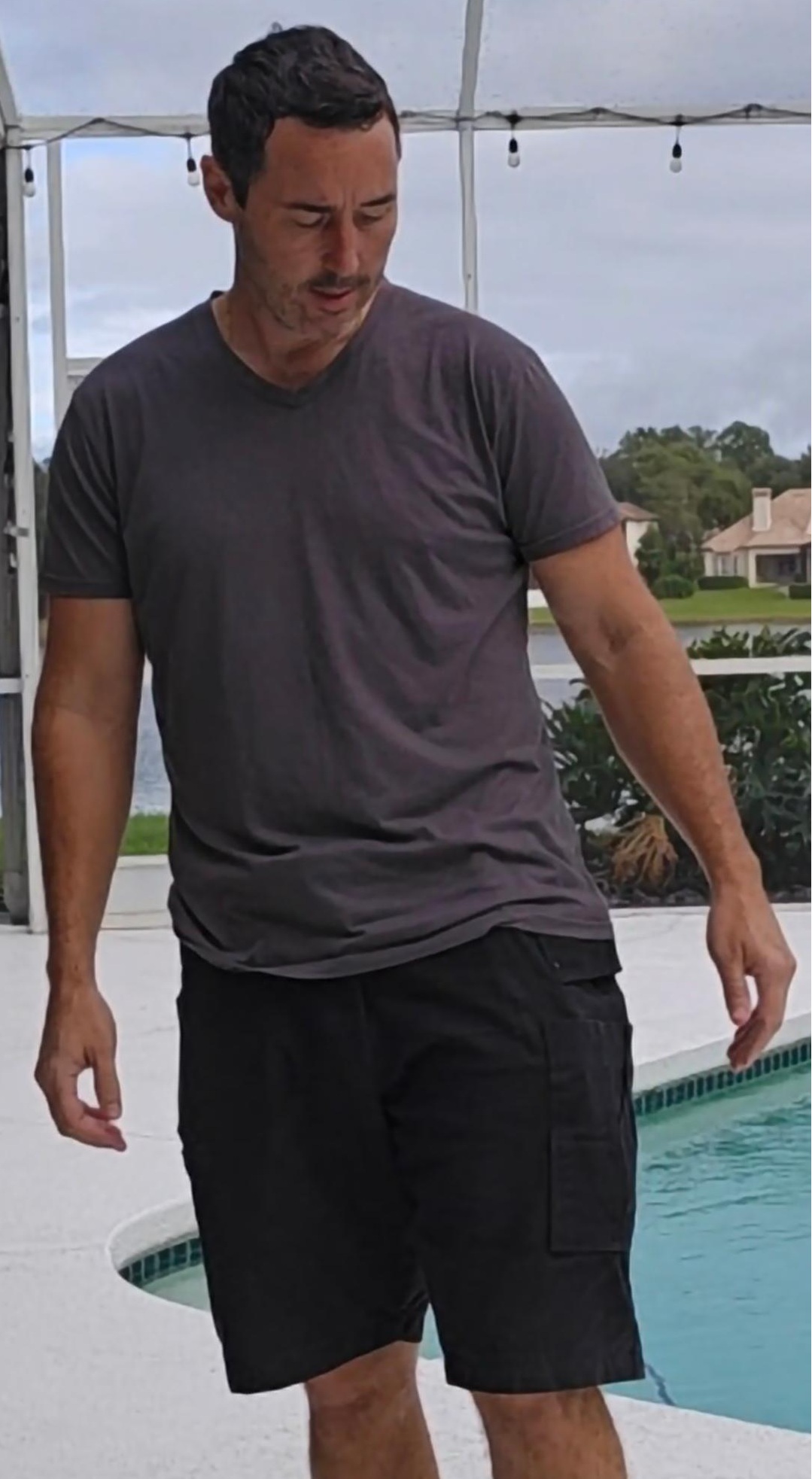
A carry setup that disappears into your day does the opposite. It lets you carry consistently without carrying mentally. You're prepared in a practical sense — the option is there if needed — without the cognitive overhead of treating every public space as a potential threat environment.
That's what everyday carry is supposed to feel like. Quiet, consistent, practical, and largely unremarkable. Present on every ordinary day, available on the one day that isn't.
Carrying With Common Sense
The carriers who maintain consistent habits for decades aren't the ones who are most tactically optimized. They're the ones who built a comfortable, sustainable routine and then largely stopped thinking about it.
They carry because it makes practical sense for them. They chose a setup that fits their actual life. They train enough to be responsible and competent. And then they live normally — because the point was never to live differently. The point was to have an option they hope they never need.
That's the responsible carry mindset. Prepared without being paranoid. Present without being consumed by it. Consistent because the setup makes consistency easy.