Summer Carry Is a Different Problem — Here's How to Solve It
Ask any concealed carrier which season is the hardest and most will say summer without hesitating.
The reasons are obvious: it's hot, you're wearing less, cover garments become impractical, and lighter fabrics show everything. The entire concealment strategy that works in October falls apart in July. Summer carry is a genuinely different problem — and the default solutions most people reach for don't work particularly well.
Why Summer Breaks Standard Carry
Most concealed carry setups are designed around having some layering to work with. A jacket, an untucked overshirt, a looser fit. In summer, those options disappear. You're in a t-shirt or a light button-down, sometimes in athletic wear, often in shorts. The cover garment that hid everything in March is sitting in your closet.
The options most people fall back on in summer each have significant problems:
Pocket carry in shorts — standard shorts pockets weren't designed for carry. They're shallow, they collapse under weight, and the firearm rotates freely with no consistent orientation. The outline shows through lighter fabric. And getting in and out of a car means the firearm shifts every time.
Appendix carry under a t-shirt — requires the shirt to be long enough and loose enough to cover the grip completely. Most t-shirts don't qualify. The ones that do start to look deliberately oversized, which draws its own attention.
Just not carrying in summer — the most common solution and the worst one. Leaving the firearm home on hot days is exactly the kind of conditional carry that defeats the purpose of everyday carry.
The Heat Makes Comfort Even More Critical
Any discomfort in a carry setup gets worse in heat. An IWB holster that creates mild pressure in October creates significant pressure in July when you're warmer, less patient, and more aware of everything touching your body. Sweat compounds the issue — anything pressing against skin becomes more noticeable, more irritating, and more likely to get adjusted or removed.
A carry position that works against the body's comfort in normal conditions becomes actively unpleasant in summer. The threshold for leaving it home drops considerably when it's 90 degrees.
What Summer Carry Actually Needs
Effective warm-weather carry has a short requirements list: it needs to work without a cover garment, stay comfortable in heat, not show through lighter fabric, and remain accessible when you're dressed for summer rather than autumn.
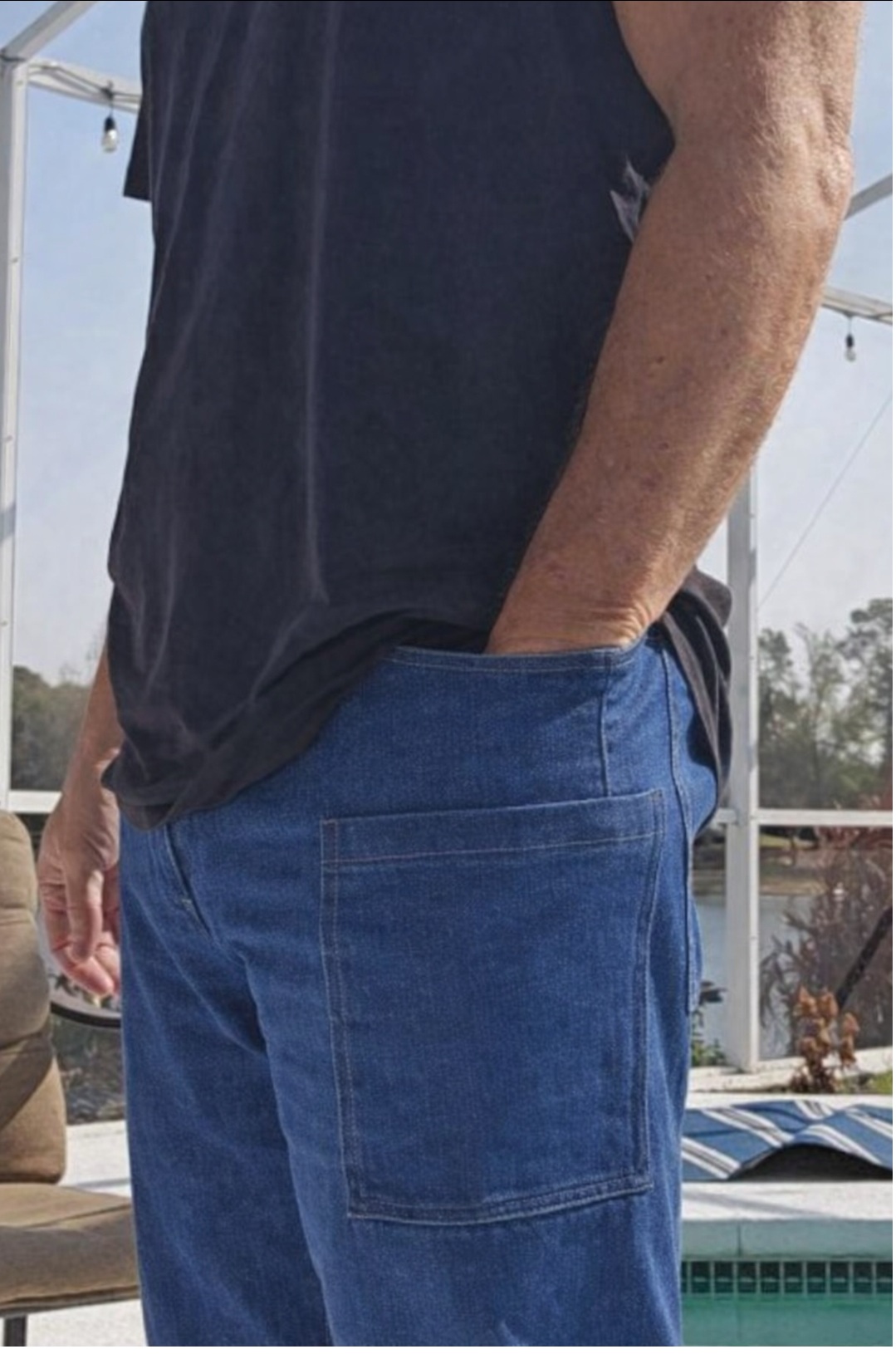
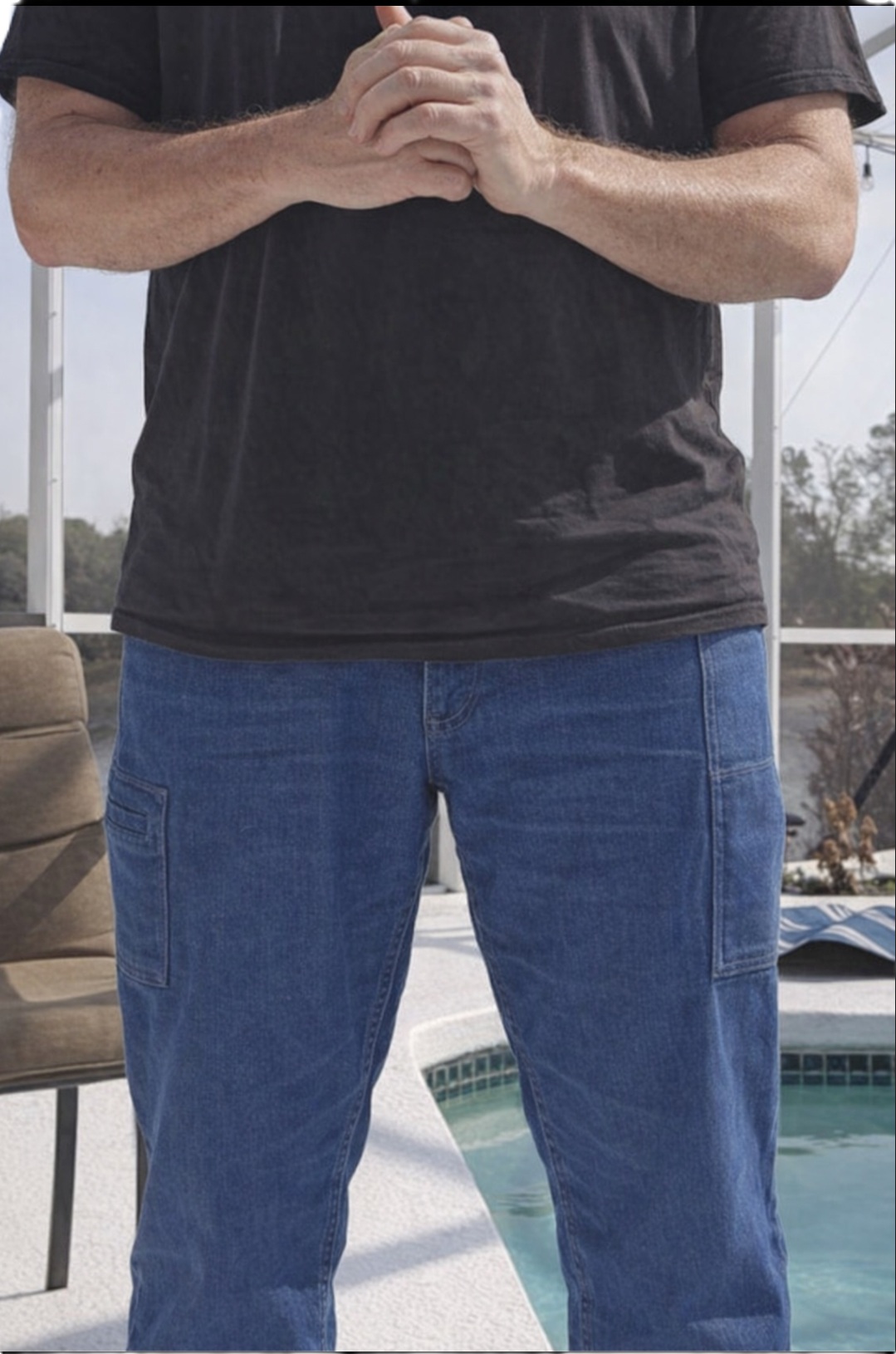
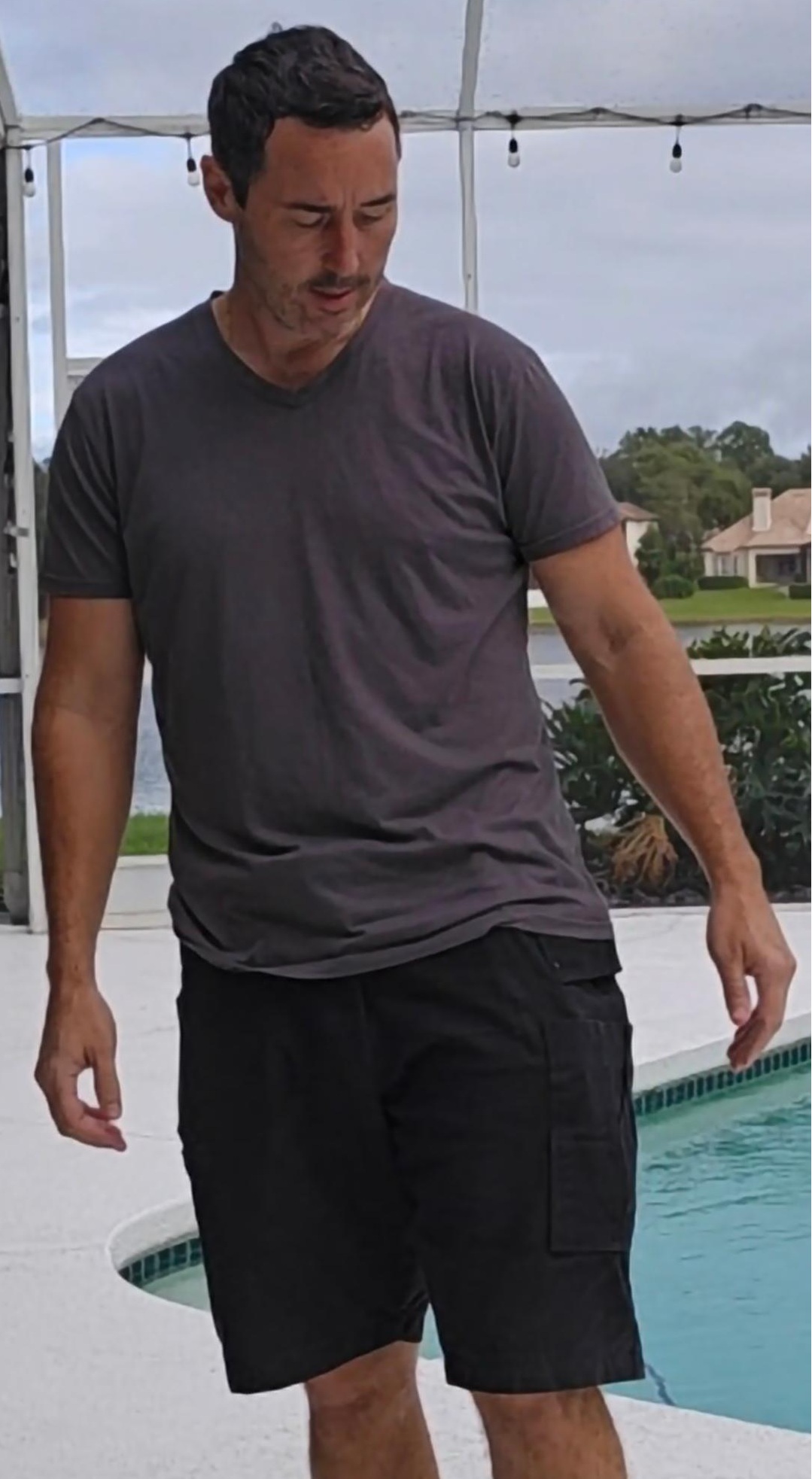
The outer thigh meets all of these. It sits outside the body's core heat zone. It doesn't press against the torso where sweat and discomfort concentrate. It doesn't require a cover garment because the pocket is along the seam of the leg — nothing reads as carry from the outside. And in shorts specifically, the same pocket architecture that works in denim works in a lighter cotton-elastane build designed for warm weather.
Summer Carry Should Be the Same as Winter Carry
The ideal carry system is one that doesn't change with the season. Same position, same access, same habit — in jeans in February or in shorts in August. When your setup requires a seasonal adjustment, you introduce a re-learning period and a disruption to the habit you've built.
A garment-integrated carry system that works in both a denim platform and a lightweight shorts build means summer carry isn't a different problem to solve — it's the same solution in warmer fabric.