Why "Stop Thinking and Just React" Is Bad Advice for Civilian Carriers
There's a popular argument in the concealed carry community that goes something like this: carrying with an empty chamber is foolish because in a real confrontation you won't have time to think — you'll just react, mechanically, on the neural pathways burned in by training. Load the chamber, the argument goes, because hesitation kills.
It's a confident argument. It's also built on a premise that, for most civilian carriers, is simply not true — and chasing it could make you more dangerous, not less.
The Argument Admits More Than It Intends To
Read that logic carefully. Advocates for always carrying chambered acknowledge that you'll be already behind, under extreme stress, likely surprised, operating in a high-adrenaline state where fine motor skills degrade, and acting on instinct rather than conscious thought. And their solution is: react faster.
Here's the question they don't ask: What happens when a civilian stops thinking entirely and just reacts?
You Are Not a Police Officer. You Are Not a Military Operator.
Law enforcement officers train hundreds of hours annually. Military personnel in combat roles train more than that — and they still make catastrophic mistakes under pressure. The research on police-involved shootings shows that even highly trained, daily-carrying professionals struggle enormously with target identification, threat assessment, and split-second judgment in live situations.
You, the civilian carrier, likely shoot a few hundred rounds a month if you're dedicated. Maybe less. The idea that you have carved reliable, pressure-proof neural pathways through your range sessions is a comfortable fiction. It feels true because the range is controlled, predictable, and stress-free. A parking lot at 10pm is none of those things.
Telling a civilian to stop thinking and just react mechanically is not tactical advice. It's a recipe for a negligent shooting.
You Are Almost Never Alone
The chamber-loaded argument is written as if every self-defense encounter is a clean, two-person event: you and the attacker, empty room, no complications. That is rarely reality.
You are carrying in grocery stores, restaurants, school pickup lines, movie theaters, and shopping malls. There are children nearby. There are people running in every direction. There are bystanders who look like threats because they're panicking. There are angles you cannot see and people you cannot account for.
In that environment, the person who stops thinking and just reacts is not a hero. They are a hazard. Every round you fire is your legal, moral, and ethical responsibility — and it does not stop being your responsibility because you were scared. Your attacker has already decided to do harm. That is on them. Every decision you make from the moment you recognize the threat is on you.
Thinking Is Your Actual Advantage
Situational awareness. Recognizing a threat before it becomes a crisis. Not getting cornered. Having an exit. These are thinking skills.
De-escalation. Most defensive gun uses don't involve firing a shot. Presence, positioning, and communication resolve more situations than trigger pulls.
Threat assessment. Is this person actually a threat to your life or someone else's? Is there a backstop? Where are the people you're responsible for? These are not questions you answer mechanically. They require a functioning brain.
When not to shoot. This is perhaps the most important skill a civilian carrier can develop, and it is entirely incompatible with mechanical, thought-free reaction.
You are not trying to win a gunfight. You are trying to survive one — and ideally prevent it entirely. That requires more thinking, not less.
Calm and Deliberate Beats Fast and Wrong
Speed is the wrong metric for civilian carriers. A shot fired in two seconds at the wrong person is infinitely worse than a shot fired in four seconds at the right one. You don't get graded on draw speed. You get graded on outcome — did you protect yourself and those around you, and did you do it lawfully and responsibly?
The carriers who fare best in real-world defensive situations are not the fastest. They are the calmest. They are the ones who, even in a terrifying moment, managed to keep enough of their brain online to make a good decision. That calm does not come from drilling out the thinking — it comes from training to think better under pressure.
A Word From Someone Who Has Been There
I'll be transparent. I spent years in special forces. I understand better than most what it means to operate a weapon under extreme stress, in life-or-death conditions, with real consequences. I have trained the way the chamber-loaded argument describes — thousands of hours, real stakes, genuine neural pathways.
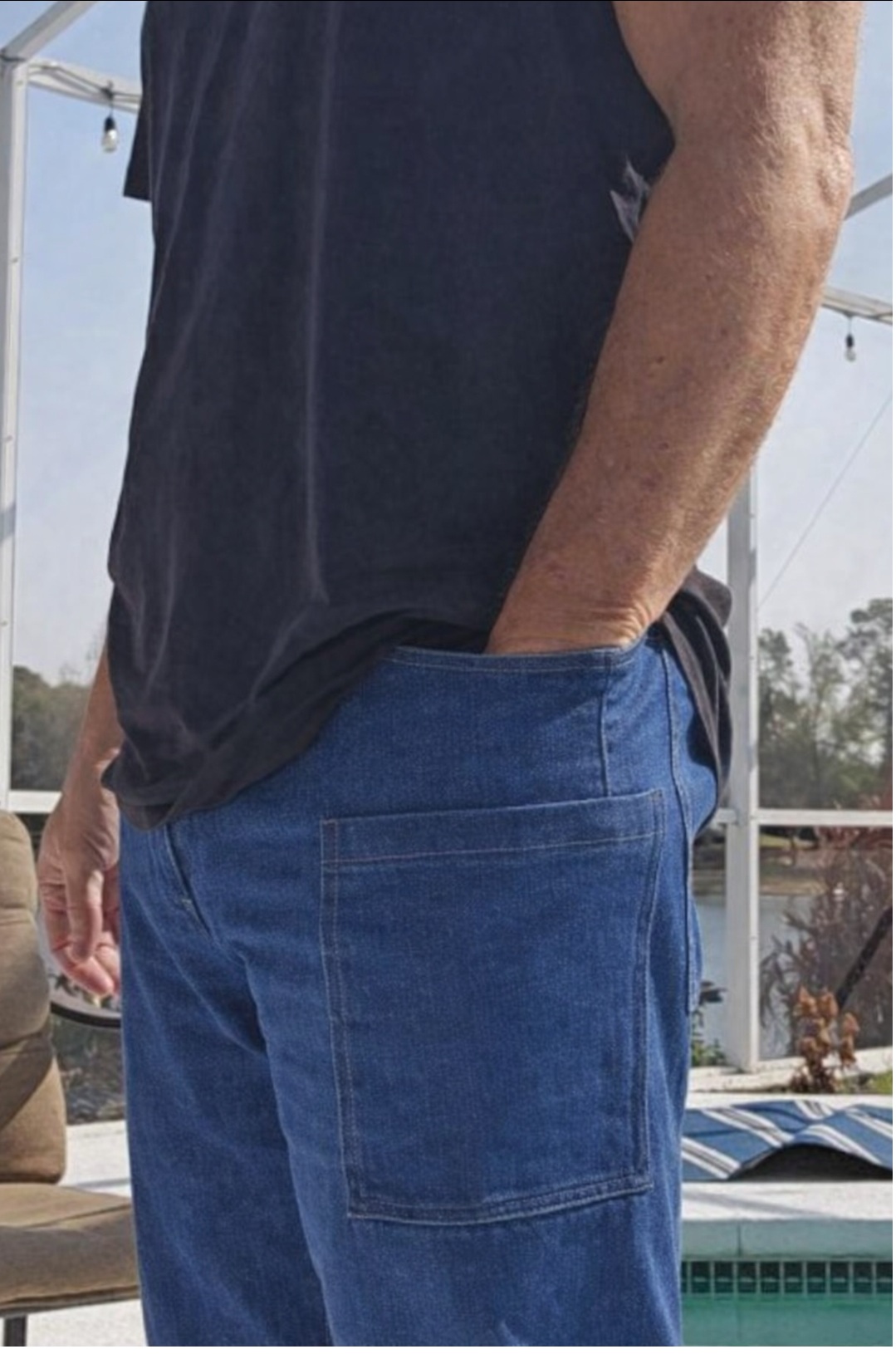
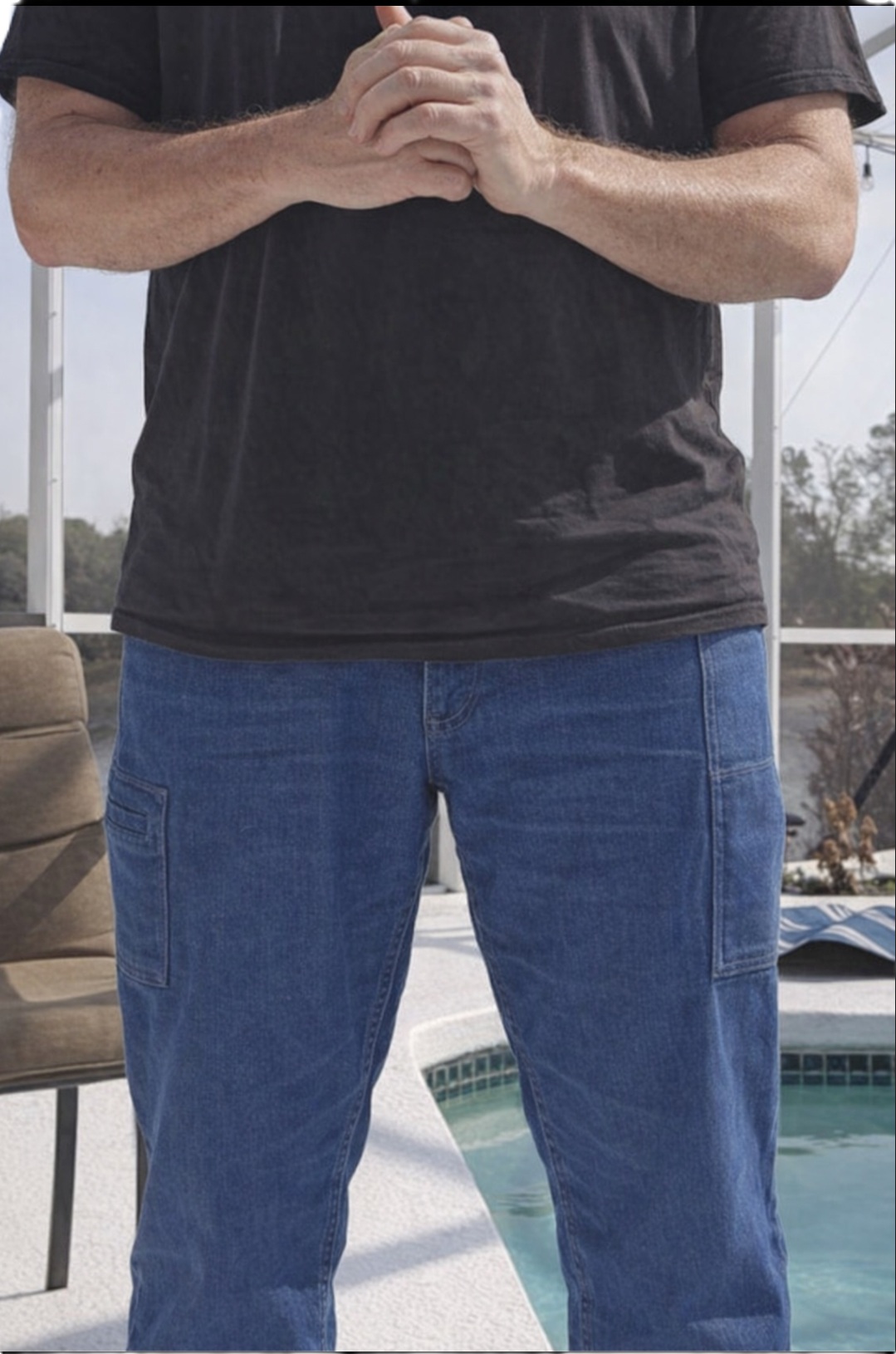
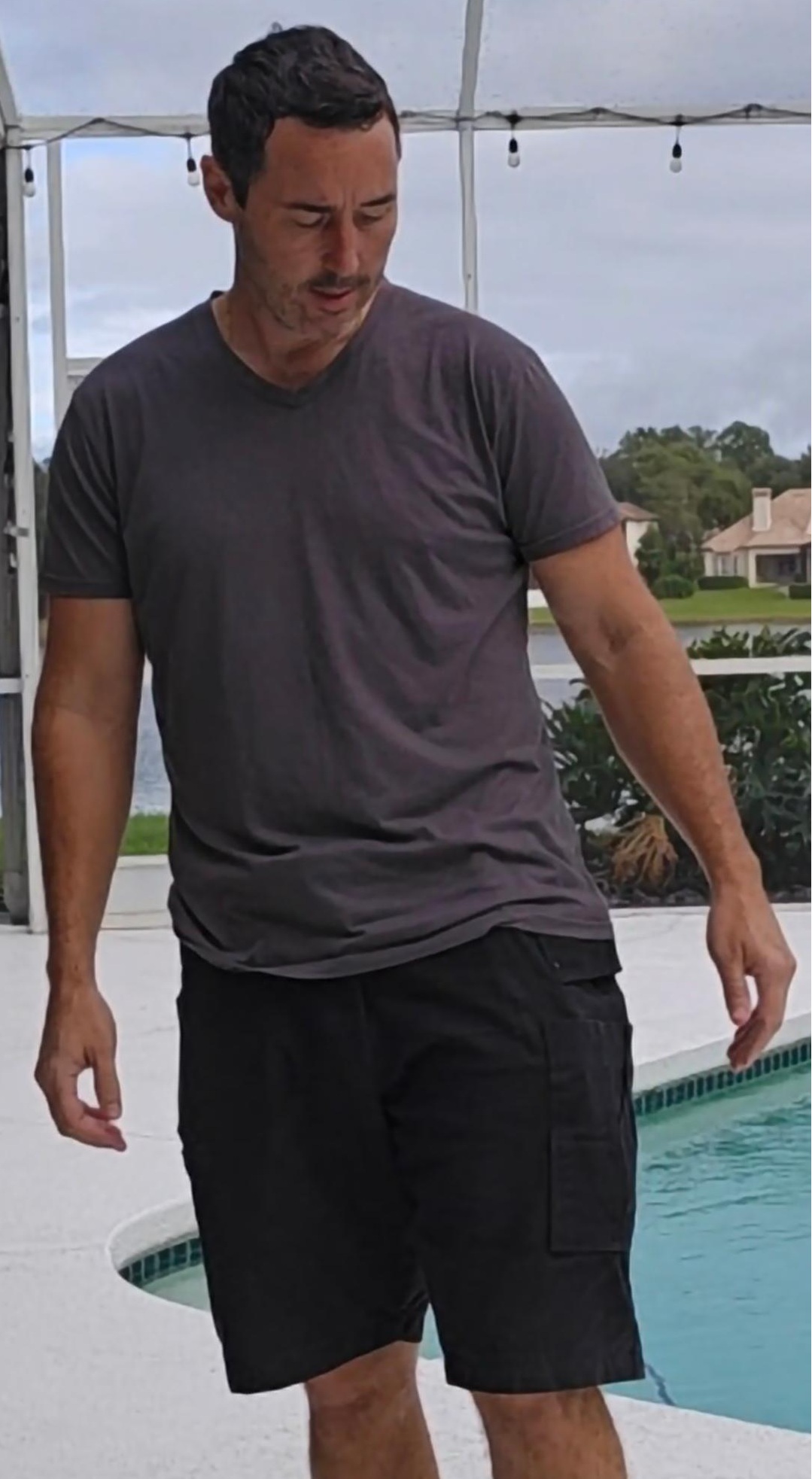
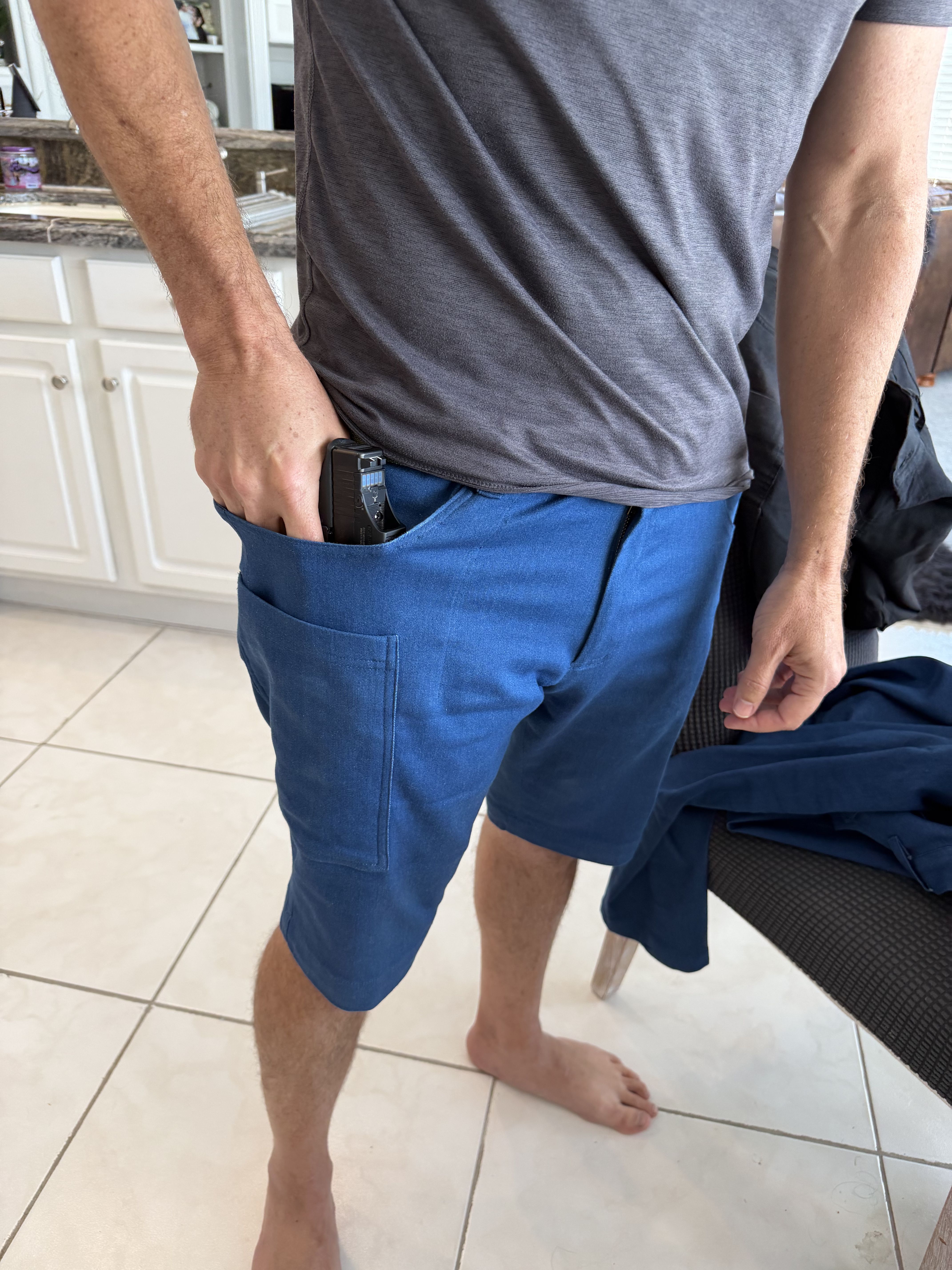
Now I'm a civilian. And when I carry wearing Gunpant jeans, I carry unchambered.
Not because I'm afraid of my firearm. Not because I haven't trained. But because my mission has changed entirely. I am not a military operator anymore. I carry because the need may someday arise — and I want to have the tool available if it does. That's it. The calculus is completely different from the field, and pretending otherwise would be the most dangerous thing I could do.
The gun is there. If I ever truly need it, I will have it. And in the moment I reach for it, I will still be thinking — because that's what the situation will require of me.
What This Means for the Chamber Debate
This is not an argument that every carrier must carry with an empty chamber. Chamber status is a personal decision within a much larger framework of responsible carry — one that involves your holster, your training, your environment, and your honest assessment of your own readiness.
What it is an argument against is the idea that the goal of civilian carry training is to eliminate thought in favor of mechanical speed. That goal is dangerous. It ignores the complexity of real defensive situations, overestimates the training level of most civilian carriers, and treats bystanders as props in your personal action sequence rather than lives you are responsible for.
You carry because you're willing to accept the weight of that responsibility. As for you — carry like it.